
Timber Flooring and Sustainability
When you choose timber, you are not only selecting a beautifully individual floor made from a renewable resource, you’re also making a positive impact on climate change.
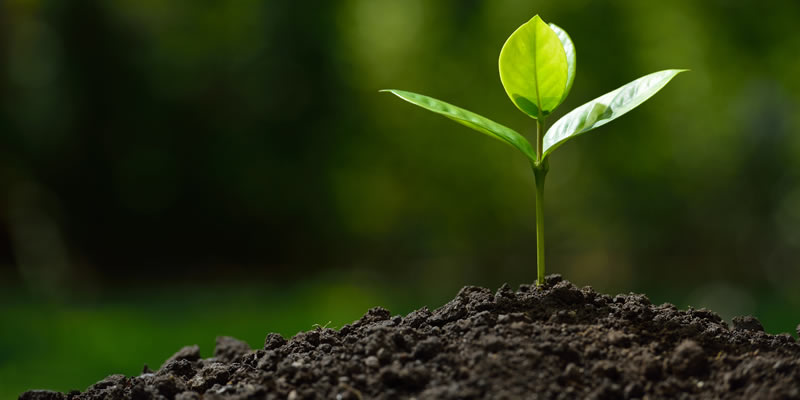
You’re walking on carbon
Your timber floor is actually sequestering carbon (a long way of saying ‘storing’ carbon). Up to half the dry weight of wood is carbon that’s been absorbed from the atmosphere by trees as they were growing. Lowering the amount of carbon dioxide in the atmosphere is one of the most important things we can do to reduce the damage associated with climate change.
It all begins in the forests
Forests and wood products effectively impact on the process of climate change in several ways. Growing trees absorb carbon dioxide from the atmosphere and store the carbon very efficiently. This carbon remains locked up in the wood for life – even when we use it for building products like timber flooring.
Using wood instead of other materials can give you other environmental advantages too. The manufacture of wood products uses less energy (energy usually sourced from finite fossil fuels), compared with many other building materials.

Wood and the greenhouse effect
The term “greenhouse effect” refers to the way trapped infra-red radiation from the earth is warming the atmosphere. If you’ve walked into a real greenhouse, even on a cold sunny day, you’ll know it feels a lot warmer inside. This is where the name originated.
Solar radiation reaches the Earth through the atmosphere and warms the surface. The stored energy is then sent back to space as infrared radiation. However, as this has a different wavelength to the incoming radiation, less of it can penetrate the barrier of specific atmospheric gases known as greenhouse gases. The most important greenhouse gas is carbon dioxide (CO2) but others include water vapour (H2O), methane (CH4), nitrous oxide (N2O), chlorofluorocarbons (CFCs) and sulfur hexafluoride (SF6).
Since the start of the industrial revolution, there has been a sharp increase in greenhouse gas emissions into the atmosphere, mainly due to CO2, from the burning of fossil fuels, but also from changes in land use. Many scientists agree that CO2 concentrations in the atmosphere have increased by 30% since the middle of the 19th century.
A sustainable managed resource
Australia’s forest management is among the best in the world in terms of conservation reserves and codes of practice for production forests. Only 6% of Australia’s 147 million hectares of native forests is public forest potentially available for timber harvesting. Timber is harvested from about 1% of these public native forests each year.
A sustainable managed resource
Australian forestry is one of the most greenhouse-friendly sectors of the economy. In 2005 (the last year for which we have figures) it was the only industry sector to be carbon positive. That means that as an industry, forestry in Australia absorbed more carbon than it created.
So when it comes to timber floors… For flooring and a whole range of other uses, wood is the beautiful, renewable and environmentally friendly choice. You could say, it’s naturally better!
“Timber is not only a renewable and recyclable resource, but it is energy efficient to produce. Importantly, timber acts to store carbon, giving it an important role to play in reducing global carbon levels.”
NEXT STEPS
Need advice or more information
Submit your plan or request a quote

ESTABLISHED IN 1982
Showcasing Excellence in Business & producing quality timber floors since 1982

AFTA LEVEL 3 ASSURED
Australasian Timber Flooring Association level 3 Quality Assured contractor

7 YEAR guarantee
Offering a 7-year guarantee on workmanship on all flooring installations
QBCC LICENCED
QBCC licenced for your peace of mind and compliance protection